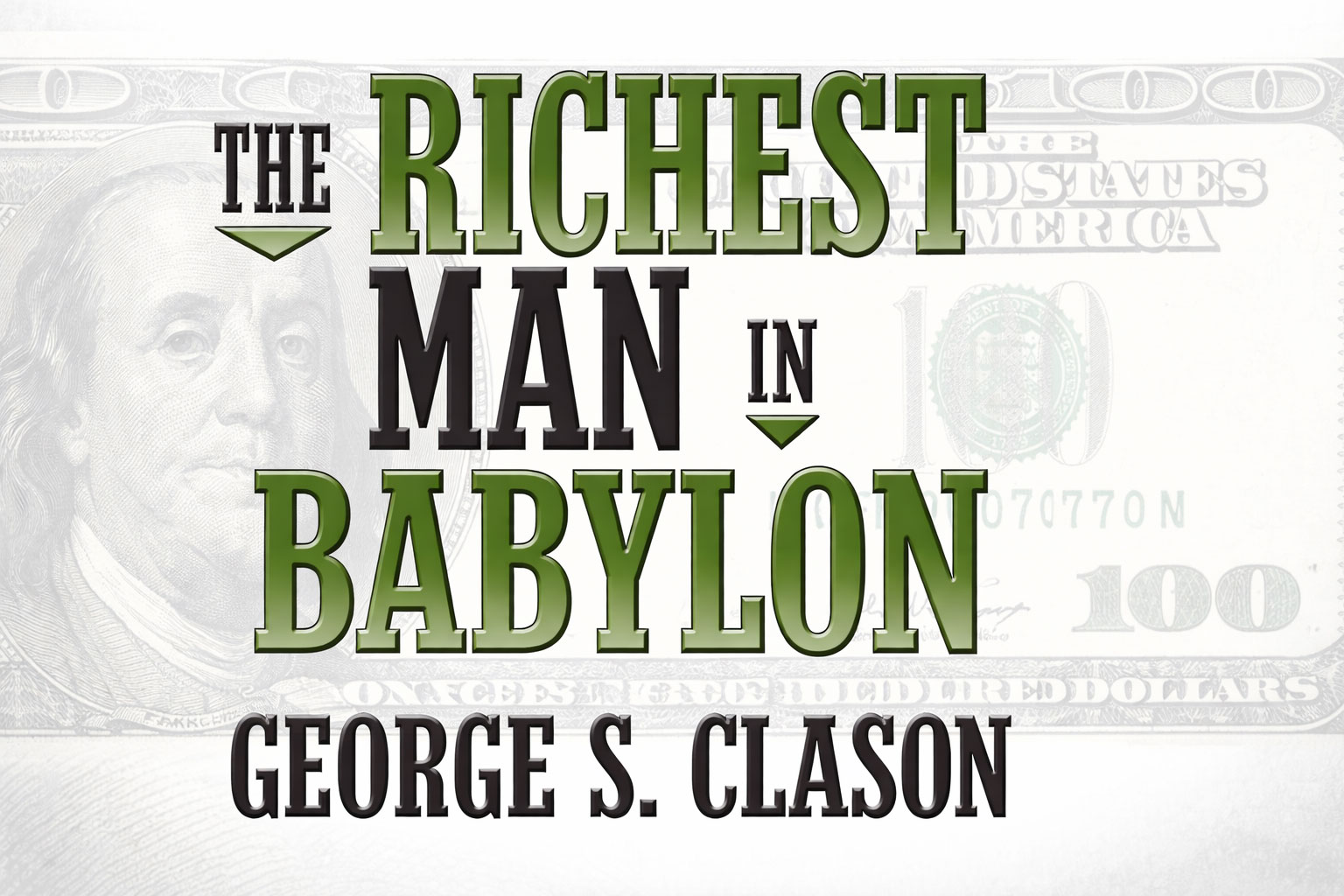

Among the countless books written about money, investing, and personal finance, The Richest Man in Babylon has always held a special place. The book does not discuss modern stock markets, cryptocurrency, or real estate, nor does it promise quick riches. Instead, The Richest Man in Babylon focuses on the very foundation of wealth: mindset, discipline, and the ability to manage money wisely.
Although it was written nearly a century ago, the lessons in The Richest Man in Babylon remain remarkably relevant—and perhaps even more applicable in today’s consumer-driven society. This article provides a deep analysis of the book’s content, philosophy, and real-world value.
Overview of The Richest Man in Babylon
The Richest Man in Babylon is a personal finance book written in the form of parables, set in the ancient city of Babylon—one of the wealthiest and most advanced civilizations in human history.
Rather than presenting dry financial theories, the book tells stories about ordinary people: craftsmen, merchants, lenders, slaves, and laborers. Through these characters, the author subtly introduces simple yet fundamental financial principles.
What gives The Richest Man in Babylon its lasting power is not its ancient setting, but two timeless truths:
- Human nature does not change
- The ways people earn, spend, and lose money repeat themselves across generations
That is why, regardless of how society evolves, the lessons of The Richest Man in Babylon remain highly practical.
About the Author – George S. Clason
The author of The Richest Man in Babylon is George S. Clason, an American entrepreneur, writer, and speaker.
Born in 1874, George S. Clason served in the U.S. Army before launching a career in publishing. He is widely regarded as one of the pioneers of personal financial education for the general public.
What made Clason unique was his non-academic approach to finance. Instead of writing dense textbooks, he created short educational stories and distributed them as pamphlets—often for free—through banks, businesses, and workplaces.
These pamphlets later became The Richest Man in Babylon, which went on to become one of the best-selling personal finance books of all time.
The Symbolism of Babylon in The Richest Man in Babylon
Babylon – A City of Wealth and Opportunity
Babylon was not chosen by accident. Historically, Babylon was a major center of commerce, finance, and culture in the ancient world. It had early systems of law, banking, lending, and trade.
In The Richest Man in Babylon, the city represents:
- A society full of opportunities to earn money
- A place where people start from relatively similar positions
- Yet achieve vastly different financial outcomes
Through this setting, the author delivers a powerful message: wealth or poverty is not determined by income alone, but by how money is used.
Timeless Relevance of an Ancient Setting
Despite being set thousands of years ago, the financial problems described in The Richest Man in Babylon feel strikingly familiar:
- Earning money but having nothing left
- Working hard yet remaining poor
- Investing based on bad advice
- Losing money due to ignorance
This reinforces the idea that the fundamentals of personal finance do not change over time.
Arkad – The Model of Sustainable Wealth
Who Is Arkad?
Arkad is the central character of The Richest Man in Babylon, known as the richest man in Babylon. Importantly, Arkad was not born into wealth. He started life just like everyone else around him.
What set Arkad apart was that he:
- Learned how to manage money early
- Saved before spending
- Invested with discipline and patience
What Arkad Represents
Arkad is not just a character; he is a symbol of:
- Sound financial thinking
- Discipline and consistency
- The willingness to learn from mistakes
Through Arkad, the book emphasizes that wealth is a skill that can be learned—not a matter of luck or privilege.
Read more :
>>> Top 9 Best Business Books That Will Change Your Life—and Your Career—Forever
Core Financial Principles in The Richest Man in Babylon
The book introduces seven “cures” for a lean purse and the five laws of gold, all explained in simple, actionable language.
- Save at least 10% of your income – The foundation of wealth begins with paying yourself first.
- Control your expenses – Live below your means and avoid unnecessary luxury.
- Make money work for you – Invest your savings so they can generate income.
- Protect your wealth from loss – Avoid risky or unreliable investments.
- Increase your earning ability – Continuously develop skills and knowledge.
- Own long-term assets – Build sustainable wealth through assets like real estate or long-term investments.
- Act without delay – Financial success requires early action and persistence.
The five laws of gold further reinforce the importance of consistent saving, safe investing, and wise money management as the path to prosperity.
A Deeper Analysis of Key Financial Lessons
-
Pay Yourself First – The Foundation of Wealth
The most famous principle in The Richest Man in Babylon states:
“Keep at least one-tenth of all you earn.”
Though simple, this rule is surprisingly difficult for many people to follow.
Its deeper meaning:
- Saving is not what remains after spending
- Saving must be a top priority
- You must pay yourself before paying others
In today’s world of constant consumer temptation, this principle is more important than ever.
-
Control Spending – Needs vs. Wants
The book clearly states that:
Not everything you want is something you truly need.
Many people believe that higher income will automatically improve their financial situation. In reality, expenses often grow faster than income.
The book teaches readers to:
- Create a personal budget
- Control spending without extreme deprivation
- Spend money with clear intention
This lesson is especially relevant in an era of instant online shopping.
-
Make Money Work for You
One of the central philosophies of The Richest Man in Babylon is that money should never sit idle.
Arkad emphasizes:
- Money must be invested
- Investments should generate cash flow
- Cash flow can create even more wealth
The book does not promote get-rich-quick schemes, but steady accumulation and long-term growth.
-
Avoid Blind and Risky Investments
The book strongly warns against:
- Investing in things you do not understand
- Believing in easy-profit promises
- Entrusting money to inexperienced people
This lesson is especially valuable in today’s environment of high-risk investment trends.
-
Invest in Yourself
Beyond money, The Richest Man in Babylon highlights the importance of:
- Lifelong learning
- Skill development
- Expanding personal knowledge
According to the book, knowledge is the asset that delivers the highest long-term returns.
You may also like
>>>Top 7 Young Adult Books Every Teen & Adult Should Read
>>>Top 8 Educational Literature Books Every Teacher Should Read in 2026
>>>Top 10 Best Books for Kids | Buy Popular Children’s Books Online
Key Strengths and Unique Value of The Richest Man in Babylon
Easy to Read, Easy to Apply
The book requires no advanced financial knowledge and is suitable for everyone.
A Sustainable Financial Philosophy
Rather than following trends, it focuses on timeless principles.
A Mindset-Shifting Experience
The Richest Man in Babylon changes how readers think about money—and that shift leads to better financial behavior.
Who Should Read The Richest Man in Babylon?
This book is ideal for:
- Beginners in personal finance
- People who constantly run out of money at month’s end
- Young adults building a financial foundation
- Working professionals seeking better money management
- Anyone who wants to understand the true nature of wealth
Final Thoughts
The Richest Man in Babylon is not a book that promises fast wealth, but it teaches the right way to become wealthy. Through simple stories and profound lessons, it lays a solid foundation for personal financial thinking.
If you read only one book about money in your lifetime, The Richest Man in Babylon deserves to be your first choice. It is not just a book—it is a guiding compass for building lasting financial freedom.
You may also like