How to Win Friends and Influence People by Dale Carnegie – a global bestseller with over 15 million copies sold worldwide.

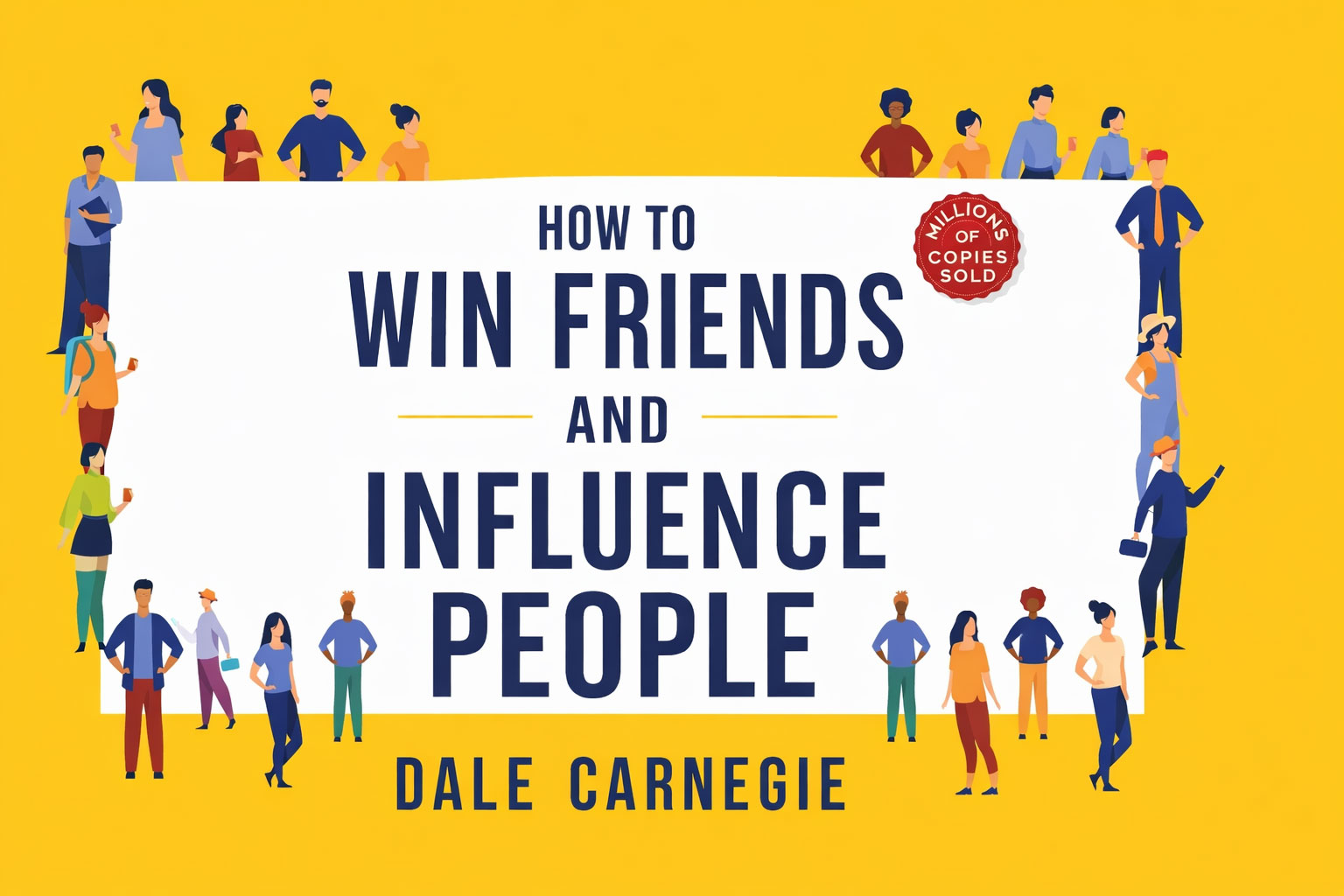
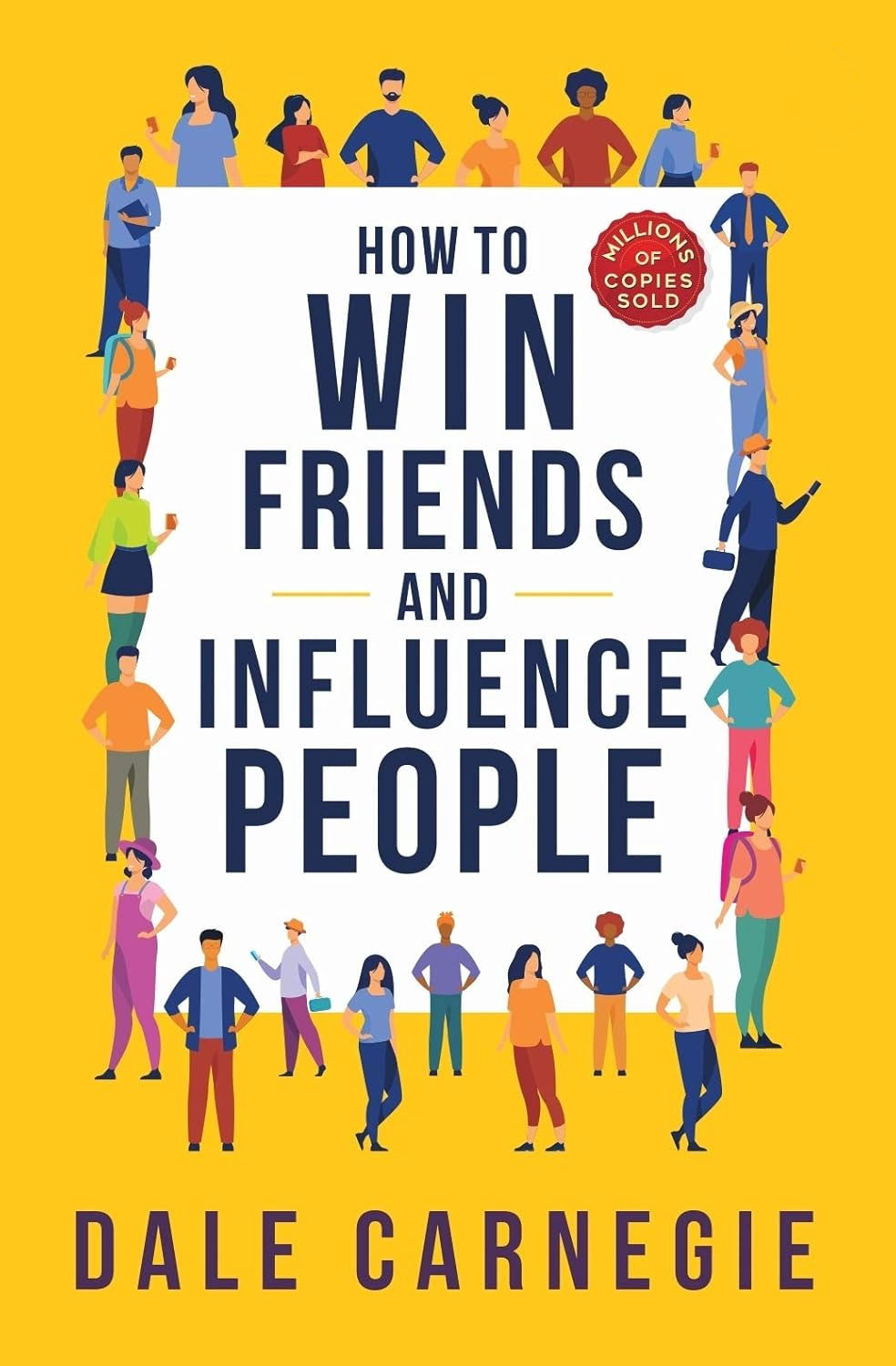
Among all self-development books ever written, few have had the long-lasting impact of How to Win Friends and Influence People. For nearly a century, this classic by Dale Carnegie has taught millions of readers how to win friends and influence others through empathy, communication, and genuine human connection.
Unlike modern self-help books filled with complicated frameworks and buzzwords, this book focuses on something much more fundamental: understanding people. Learning how to win friends and influence is not about manipulation or tricks. It is about changing how you see others—and how you treat them.
This in-depth review will explore the book’s ideas, values, structure, and why how to win friends and influence remains a vital skill in today’s personal and professional life.
Introduction to the Book
How to Win Friends and Influence People was first published in 1936 during the Great Depression. At a time when people were struggling economically and emotionally, Dale Carnegie introduced a powerful idea: success depends largely on relationships.
The book teaches readers how to win friends and influence others by improving communication, reducing conflict, and increasing mutual respect. Instead of focusing on what to say, Carnegie focuses on how to listen, how to understand emotions, and how to make people feel valued.
Even in the age of social media, remote work, and artificial intelligence, the principles of how to win friends and influence are still deeply relevant. Human nature has not changed. People still want appreciation, respect, and understanding.
About the Author – Dale Carnegie
Dale Carnegie was born in 1888 in Missouri, USA. He grew up in a poor farming family, which shaped his understanding of struggle, ambition, and human behavior. Through years of teaching public speaking and self-improvement courses, Carnegie observed one key truth: technical skills matter, but people skills matter more.
His teachings revolve around how to win friends and influence through kindness rather than authority. Carnegie believed that leadership should be based on encouragement, not fear, and persuasion should come from empathy, not pressure.
By the time of his death in 1955, Carnegie had changed how people think about success. His philosophy continues to influence leaders, entrepreneurs, teachers, and everyday readers seeking to master how to win friends and influence in real life.
Main Content and Core Ideas of the Book
The book is divided into four main parts, each addressing a different aspect of how to win friends and influence people.
Fundamental Principles of Dealing with People
This first section lays the foundation for understanding human behavior. Carnegie explains that most people do not respond well to criticism, blame, or judgment. When you criticize someone, you attack their sense of self-worth.
To truly learn how to win friends and influence, Carnegie suggests three simple rules:
- Do not criticize, condemn, or complain
- Give honest and sincere appreciation
- Arouse in the other person an eager want
These ideas may sound obvious, but they are rarely practiced. People naturally focus on their own needs and opinions. Carnegie challenges readers to shift their mindset and focus on others.
By applying these principles, you begin to understand how to win friends and influence without creating resistance or conflict.
Ways to Make People Like You
This section is one of the most famous parts of the book. Carnegie explains that likability is not about being charming or funny—it is about being genuinely interested in others.
Key principles include:
- Become genuinely interested in other people
- Smile
- Remember that a person’s name is the sweetest sound to them
- Be a good listener
These habits form the core of how to win friends and influence socially. When people feel heard and respected, they naturally become more open and cooperative.
Carnegie emphasizes that how to win friends and influence is not about pretending to care. It only works when the interest is genuine. Authenticity is essential.
How to Win People to Your Way of Thinking
This part focuses on persuasion and influence. Carnegie explains that arguments rarely change minds. In fact, they often damage relationships.
To master how to win friends and influence, Carnegie advises:
- Avoid arguments
- Respect others’ opinions
- Admit when you are wrong
- Begin in a friendly way
One of the most powerful ideas here is that people prefer ideas they believe are their own. Instead of forcing opinions, effective influence involves asking questions and guiding others gently.
This approach to how to win friends and influence is especially useful in business, leadership, and negotiation.
Be a Leader: How to Change People Without Offending Them
The final section focuses on leadership and motivation. Carnegie argues that effective leaders inspire growth rather than control behavior.
Principles include:
- Begin with praise and honest appreciation
- Call attention to mistakes indirectly
- Give people a fine reputation to live up to
These ideas show that how to win friends and influence as a leader is about building confidence, not fear. Encouragement leads to long-term improvement.
Psychological Depth Behind the Principles
What makes How to Win Friends and Influence People so powerful is its understanding of basic human psychology. People are driven by emotions, not logic.
The book explains that:
- People want to feel important
- People justify their actions emotionally
- People resist being controlled
Understanding these psychological truths is essential to mastering how to win friends and influence. When you align with human nature instead of fighting it, relationships become easier and more meaningful.
Read more:
>>> Top 9 Best Business Books That Will Change Your Life—and Your Career—Forever
Practical Applications in Modern Life
In Personal Relationships
In friendships and family life, how to win friends and influence means listening more than speaking. It means appreciating others instead of trying to change them.
Simple habits like expressing gratitude, avoiding criticism, and showing empathy can dramatically improve relationships.
In the Workplace
In professional environments, how to win friends and influence can lead to better teamwork, stronger leadership, and career growth. Managers who apply Carnegie’s principles often create more loyal and motivated teams.
Employees who understand how to win friends and influence communicate better, resolve conflicts faster, and gain trust more easily.
In Sales and Business
Sales professionals often credit this book as a foundation for success. Selling is not about pressure—it is about understanding needs. Learning how to win friends and influence helps build long-term customer relationships rather than short-term wins.
You may also like:
>>> Top 8 Educational Literature Books Every Teacher Should Read in 2026
>>>Top 8 Relationship Books to Transform Your Connections
>>> Top 7 Young Adult Books Every Teen & Adult Should Read
Strengths of the Book
One major strength is its timelessness. Despite being written decades ago, the principles of how to win friends and influence remain relevant.
Another strength is clarity. Carnegie uses simple language and real-life stories, making complex ideas easy to understand.
The book also focuses on ethical influence. How to win friends and influence is presented as a way to create mutual benefit, not manipulation.
Who Should Read This Book?
This book is ideal for:
- Students developing communication skills
- Professionals seeking career growth
- Leaders and managers
- Entrepreneurs and salespeople
- Anyone wanting better relationships
If you want to improve how you interact with people, learning how to win friends and influence is an essential step.
Why This Book Still Matters Today
In a world dominated by digital communication, genuine human connection is becoming rare. Carnegie’s message reminds us that how to win friends and influence starts with empathy and respect.
Algorithms may change, but human emotions do not. The ability to connect, listen, and understand will always be valuable.
Final Thoughts
How to Win Friends and Influence People is more than a self-help book—it is a guide to living with empathy and awareness. Dale Carnegie teaches that how to win friends and influence others is not about changing people, but about changing ourselves.
By practicing these principles consistently, readers can improve relationships, build trust, and achieve success without sacrificing integrity.
If you are looking for a book that offers practical wisdom, emotional intelligence, and lasting value, this timeless classic is an excellent choice. Mastering how to win friends and influence may truly change the way you experience life.
You may also like:
>>> Top 10 Best Books for Kids | Buy Popular Children’s Books Online