The Greatness Guide – Robin Sharma: 101 Short Stories About Success, Mindset, and Personal Development

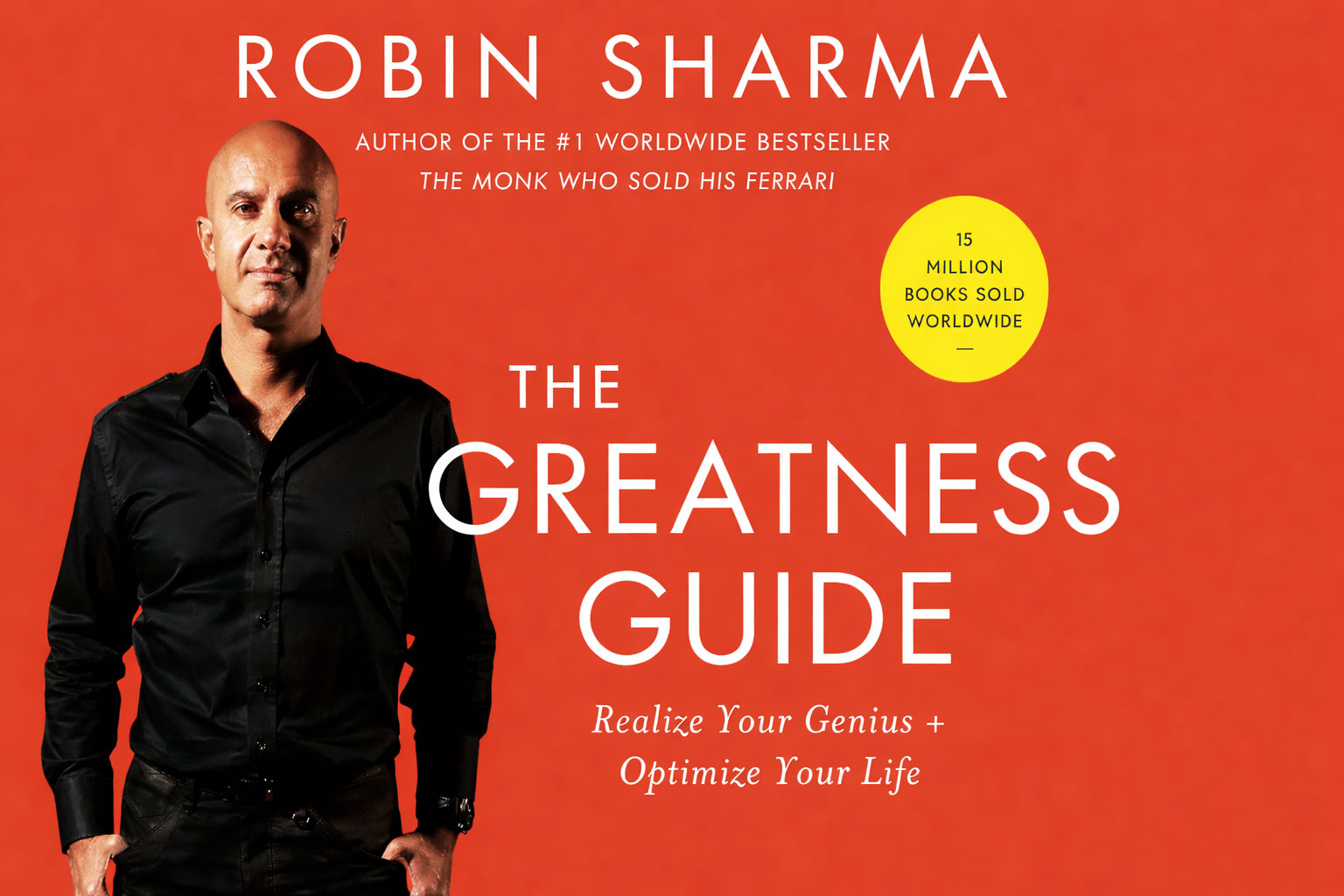

The Greatness Guide by Robin Sharma – A Profound Review of Everyday Excellence and Lasting Success
Introduction to The Greatness Guide
In a world overflowing with productivity hacks, motivational slogans, and overnight success formulas, The Greatness Guide by Robin Sharma stands apart as a calm, disciplined, and deeply human work. Rather than promising instant transformation, this book invites readers into a lifelong journey of personal mastery, one rooted in character, consistency, and conscious living.
First published as a collection of essays, The Greatness Guide has been embraced globally as a practical manual for anyone seeking not just success, but a life of meaning, integrity, and excellence. Known in some countries under translated titles emphasizing everyday greatness or mindful living, the book’s central message remains universal:
True greatness is not a single achievement, but a series of small, intentional actions practiced daily.
This review explores The Greatness Guide in depth—its philosophy, structure, practical lessons, strengths, limitations, and relevance in today’s fast-paced world—making it a definitive resource for readers considering this book or revisiting it with fresh perspective.
Who Is Robin Sharma? Global Influence and Philosophy
Robin Sharma is one of the world’s most respected voices in leadership development and personal excellence. Before becoming a bestselling author, Sharma worked as a litigation lawyer—an experience that deeply shaped his understanding of ambition, burnout, and the cost of success without purpose.
After leaving law, Sharma dedicated his life to teaching principles of self-leadership, discipline, and conscious success. His books, including:
- The Monk Who Sold His Ferrari
- Who Will Cry When You Die?
- The 5AM Club
- Leadership Wisdom
have sold millions of copies and been translated into over 90 languages.
What distinguishes Sharma from many self-help authors is his ethical approach to success. He emphasizes values, service, humility, and inner growth just as much as performance and achievement. The Greatness Guide reflects this mature philosophy, presenting success as a byproduct of character rather than mere tactics.
What Is The Greatness Guide About?
At its core, The Greatness Guide is about unlocking human potential through deliberate living. It addresses timeless questions:
- How do ordinary people achieve extraordinary results?
- What habits separate the excellent from the average?
- How can one succeed without sacrificing health, relationships, or integrity?
Instead of a linear narrative, the book offers 101 short reflections, each focusing on a specific principle related to excellence, leadership, discipline, creativity, focus, or purpose.
The book does not overwhelm readers with complex theories. Instead, it gently challenges them to reflect, act, and improve—one day at a time.
The Unique Structure: 101 Short Lessons for a Meaningful Life
One of the most powerful aspects of The Greatness Guide is its structure. Each chapter is concise, self-contained, and practical. Readers can:
- Read the book sequentially
- Open it at random for inspiration
- Read one lesson per day as a daily ritual
This modular format makes the book highly accessible, especially for busy professionals. Each lesson functions like a mental reset, encouraging reflection and action without requiring hours of uninterrupted reading.
This structure also makes the book ideal for long-term use—it is not a one-time read, but a guide to revisit repeatedly across different stages of life.
Redefining Greatness: Why Excellence Is a Daily Practice
Robin Sharma redefines greatness in a way that is both liberating and demanding. In The Greatness Guide, greatness is not reserved for celebrities, CEOs, or prodigies. Instead, it is available to anyone willing to commit to daily excellence.
According to Sharma:
“Greatness is about being the best version of yourself, regardless of your title or circumstances.”
This philosophy shifts focus away from external validation and toward internal standards. A teacher, parent, artist, or entrepreneur can all live great lives if they approach their responsibilities with intention, discipline, and heart.
Greatness, in this sense, is not an outcome—it is a way of being.
The Power of Small Habits in The Greatness Guide
A recurring theme throughout the book is the compounding effect of small habits. Sharma repeatedly emphasizes that lasting success is built through tiny, consistent actions, not dramatic transformations.
Examples include:
- Waking up earlier to reflect or exercise
- Reading a few pages of a meaningful book daily
- Writing down goals and priorities
- Practicing gratitude each evening
These actions may seem insignificant in isolation, but over months and years, they create extraordinary momentum.
Sharma’s message is clear:
Small improvements, practiced daily, create remarkable lives.
Personal Discipline as the Foundation of Mastery
Discipline plays a central role in The Greatness Guide. However, Sharma reframes discipline not as punishment, but as self-respect in action.
He argues that discipline is the bridge between intention and achievement. Without it, talent remains unrealized and dreams remain abstract.
Importantly, Sharma emphasizes internal discipline—choosing focus over distraction, courage over comfort, and long-term vision over short-term pleasure.
“What you practice every day eventually becomes your destiny.”
Managing Energy Instead of Time
One of the most forward-thinking ideas in The Greatness Guide is the concept of energy management. Sharma points out that time is fixed, but energy is renewable.
High performers, he argues, focus on:
- Physical vitality (exercise, nutrition, rest)
- Emotional balance
- Mental clarity
- Spiritual alignment
By protecting and renewing energy, individuals can work with intensity without burning out—a message especially relevant in today’s always-on culture.
Mental Focus in a Distracted World
Sharma strongly warns against the dangers of distraction. He describes modern society as an environment that constantly fragments attention through notifications, social media, and information overload.
The Greatness Guide encourages readers to:
- Control information intake
- Schedule periods of deep work
- Reduce exposure to negativity
- Protect mental space
According to Sharma, focus is not just a productivity skill—it is a moral choice that determines the quality of one’s life.
Inner Leadership: Becoming a Leader Without a Title
Leadership is a central theme in Sharma’s work, and The Greatness Guide reinforces the idea that leadership begins internally.
“You don’t need a title to be a leader. You need character.”
True leaders, according to Sharma:
- Take responsibility
- Act with integrity
- Inspire through example
- Serve others
This philosophy empowers individuals at all levels to influence their environments positively, regardless of position or authority.
Success and Happiness: Two Sides of the Same Coin
Unlike many success-oriented books, The Greatness Guide insists that success without happiness is incomplete.
Sharma warns against sacrificing:
- Health
- Family
- Inner peace
in pursuit of external achievement. He argues that sustainable success must be aligned with personal values and emotional well-being.
“A successful life that feels empty is not success at all.”
Living With Purpose in the Modern Age
Purpose is another cornerstone of The Greatness Guide. Sharma encourages readers to clarify their values and align daily actions with a larger mission.
Purpose, in this context, does not have to be grand. It can be expressed through excellence in work, kindness in relationships, and commitment to growth.
Living with purpose transforms routine actions into meaningful contributions.
Top 7 Books Every Young Person Should Read at Least Once
Key Lessons and Memorable Quotes
Some of the most impactful insights from The Greatness Guide include:
- “Your life will not improve until you do.”
- “The world rewards excellence, not average effort.”
- “Every day is a chance to practice greatness.”
These concise statements encapsulate the book’s philosophy and serve as powerful reminders.
Strengths of The Greatness Guide
Key strengths include:
- Accessible and easy-to-read format
- Timeless principles
- Practical and actionable advice
- Strong ethical foundation
- Suitable for repeated reading
Limitations and Critical Perspectives
Despite its strengths, the book has limitations:
- Emphasis on mindset over systemic challenges
- Limited scientific references
- Some ideas may feel familiar to seasoned self-help readers
However, these limitations do not diminish its value as a practical philosophy of living.
Who Should Read The Greatness Guide?
This book is ideal for:
- Young professionals seeking direction
- Entrepreneurs and leaders
- Individuals experiencing burnout
- Anyone committed to personal growth
How to Read The Greatness Guide for Maximum Impact
To gain the most value:
- Read slowly
- Reflect after each lesson
- Apply one idea at a time
- Revisit the book regularly
Practical Value in Real Life and Business
In both personal and professional contexts, the book helps readers:
- Build resilience
- Improve focus
- Strengthen leadership presence
- Maintain balance
Its lessons are applicable across cultures and industries.
The Greatness Guide is not a book about quick wins. It is a guide for those willing to commit to long-term excellence.
It teaches that greatness is not found—it is earned daily.