The Color of Water – James McBride: A Definitive 3,000‑Word Review on Race, Identity, and Family

Why The Color of Water Still Matters
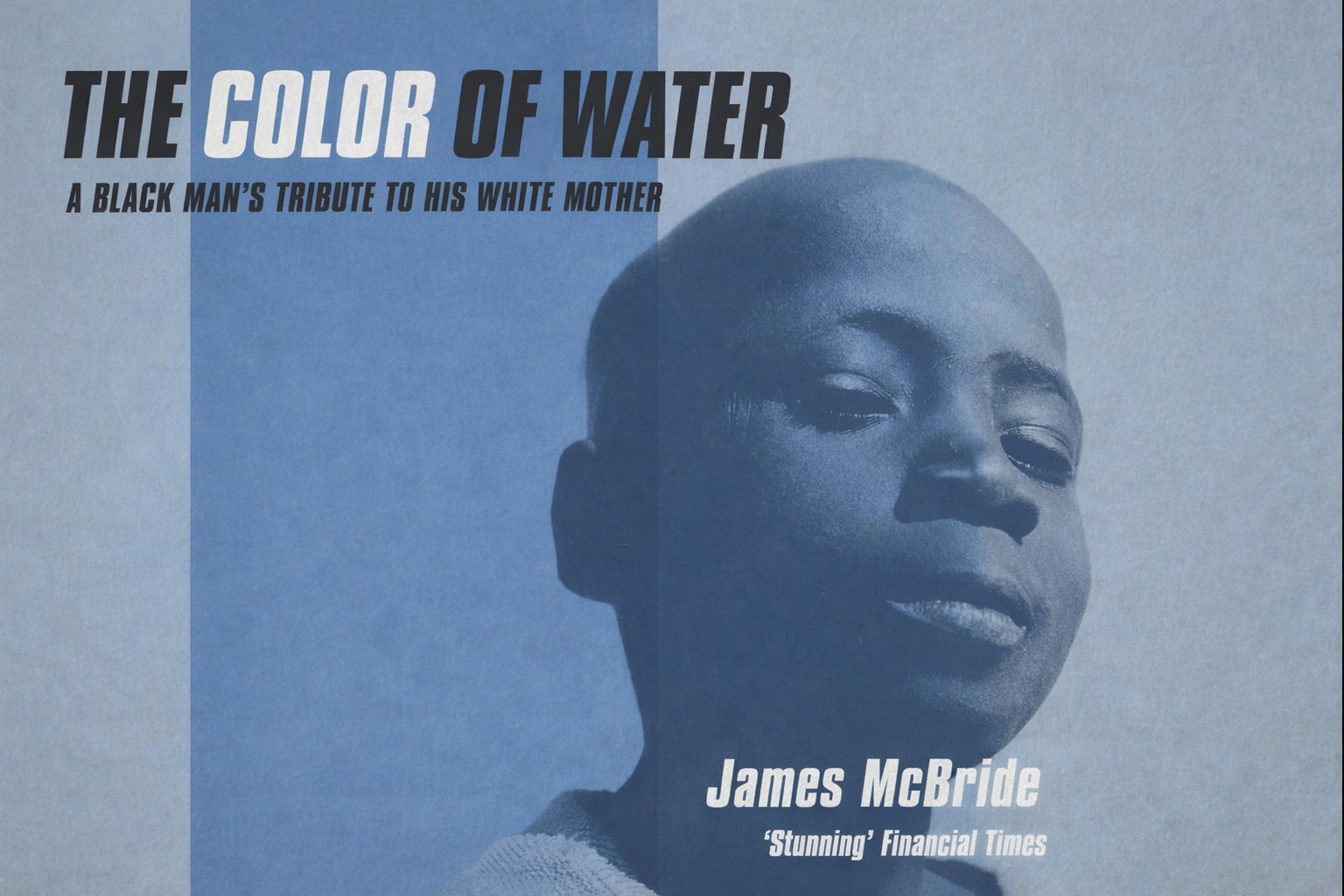
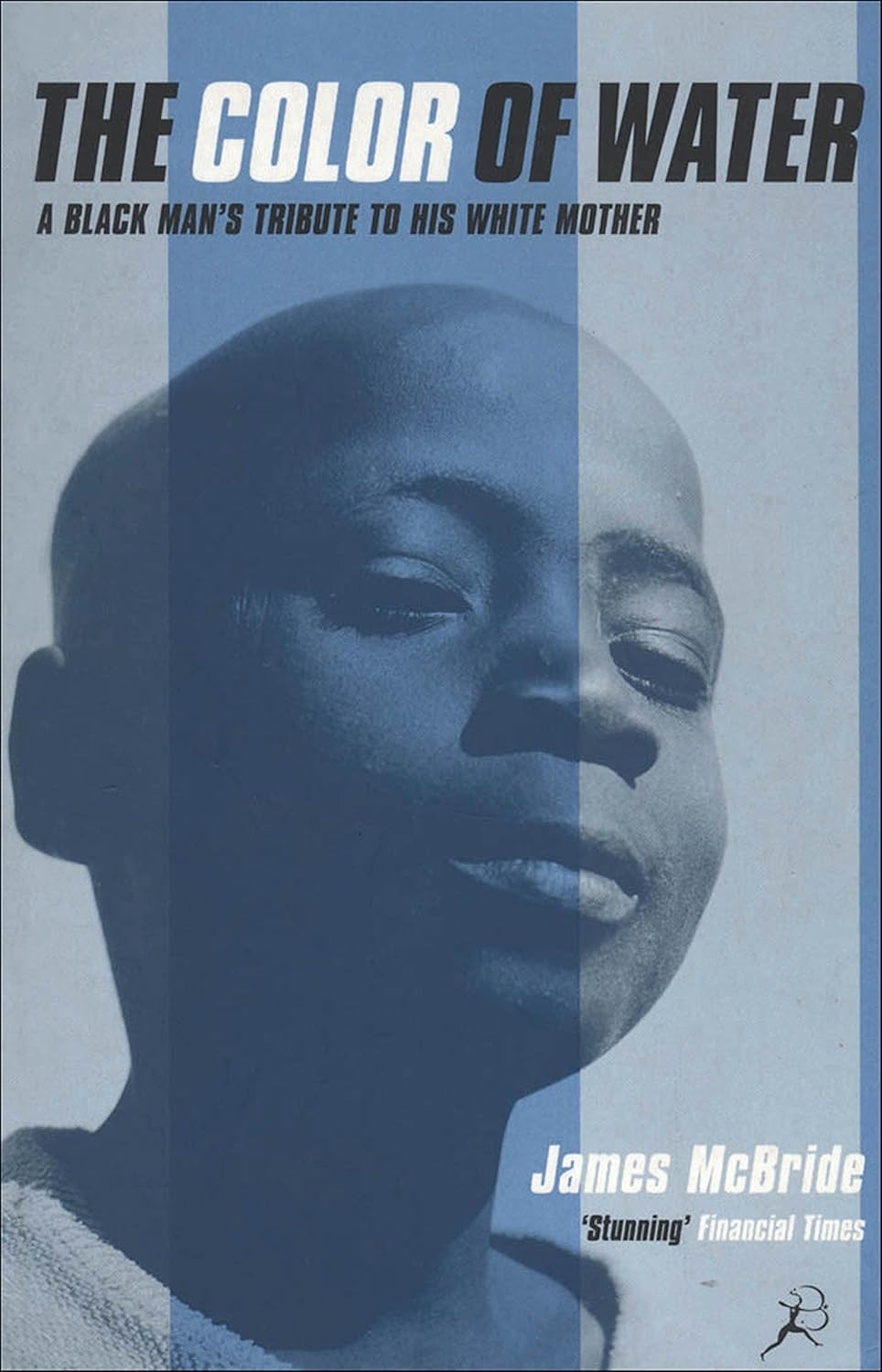
More than two decades after its publication, The Color of Water: A Black Man’s Tribute to His White Mother remains one of the most widely read and discussed memoirs in American literature. Written by James McBride and first published in 1996, the book continues to resonate with readers across generations, cultures, and educational backgrounds.
At a time when conversations about race, identity, and belonging are once again at the center of public discourse, The Color of Water offers a perspective that feels both timeless and urgently relevant. Rather than approaching race as an abstract political debate, McBride grounds his exploration in lived experience—family, memory, struggle, and love.
This in‑depth review examines The Color of Water through a comprehensive SEO lens, offering readers a detailed summary, thematic analysis, and critical evaluation suitable for authority blogs, educators, students, and general readers alike.
Historical and Social Context of the Memoir
To fully appreciate The Color of Water, it is essential to understand the historical context in which Ruth McBride lived and raised her children.
For much of the 20th century:
- Interracial marriage was widely condemned
- Many U.S. states enforced anti‑miscegenation laws
- Social segregation shaped housing, education, and employment
It was not until 1967, following the landmark Loving v. Virginia decision, that interracial marriage became legal nationwide. Ruth McBride’s life unfolded largely before and during this transition, placing her family at the margins of American society.
James McBride uses this context not as a history lesson, but as an unspoken force shaping every aspect of his upbringing.
What Is The Color of Water About?
At its heart, The Color of Water tells two interwoven life stories:
- The story of James McBride, a Black man struggling to understand his identity
- The story of Ruth McBride, his white Jewish mother who married Black men and raised twelve children
The book opens with a question that becomes its central metaphor:
“What is the color of water?”
“Water has no color.”
This deceptively simple exchange reframes race not as a biological truth, but as a social construct imposed on human beings.
James recounts his childhood marked by confusion, anger, and rebellion, while Ruth narrates her own life story—from an oppressive Jewish immigrant upbringing to a life defined by sacrifice and survival.
Dual Narrative Structure: Two Voices, One Truth
One of the defining features of The Color of Water is its alternating chapter structure.
The memoir moves between:
- “Dead” chapters, narrated by James McBride
- “Alive” chapters, narrated by Ruth McBride
This structure emphasizes that truth is not singular. Memory, trauma, and perspective shape how events are remembered and understood.
Rather than offering a linear narrative, McBride allows contradictions to exist—inviting readers to sit with ambiguity rather than resolve it.
Read more:
>>>Top 8 Educational Literature Books Every Teacher Should Read in 2026
Ruth McBride: A Mother Beyond Stereotypes
A Childhood of Control and Silence
Ruth McBride was born into a poor Jewish immigrant family characterized by:
- A domineering, abusive father
- Emotional neglect
- Rigid religious expectations
Her early life was defined not by warmth, but by fear and repression. This background explains her later determination to sever ties with her past.
Survival Over Sentimentality
Ruth made several controversial choices:
- She abandoned Judaism
- She avoided discussing her Jewish heritage with her children
- She focused almost exclusively on survival and education
These decisions were not acts of denial, but strategies for endurance in a society hostile to her family.
Love Through Action
Ruth is not portrayed as a nurturing, emotionally expressive mother. Instead, her love manifests as:
- Tireless labor
- Strict discipline
- An unwavering belief in education
Her motherhood challenges romanticized notions of maternal affection and replaces them with resilience and responsibility.
James McBride and the Crisis of Identity
Growing up, James McBride experiences a profound sense of dislocation:
- He is Black, but raised by a white mother
- He lacks formal education in Black history
- He struggles to reconcile race with belonging
This confusion manifests as anger, rebellion, and self‑destructive behavior. James does not resent his mother’s whiteness, but her silence about race.
Only through education, distance, and writing does James come to understand that identity is not inherited—it is constructed.
Race as a Social Construct in The Color of Water
The memoir does not deny the reality of racism. Instead, it questions the logic behind racial categorization.
If race were destiny, how could:
- A white woman successfully raise twelve Black children?
- Love transcend legal and social barriers?
McBride presents race as:
- A social system
- A historical invention
- A mutable human idea
This perspective aligns the book with modern sociological understandings of race.
Identity: What We Are Versus What We Become
A central message of The Color of Water is that identity is not discovered—it is built.
James constructs his identity through:
- Education
- Life experience
- Creative expression
- Understanding his mother’s choices
This theme resonates deeply with readers navigating mixed heritage, cultural displacement, or personal reinvention.
Education as Liberation and Social Mobility
For Ruth McBride, education is non‑negotiable.
She views learning as:
- Protection against poverty
- Defense against discrimination
- A pathway to independence
Her philosophy proves effective. Most of her children attend college, and many achieve professional success.
Education becomes the memoir’s most tangible tool for social mobility.
Faith, Religion, and Moral Resilience
Religion in The Color of Water is practical rather than doctrinal.
Faith provides Ruth with:
- Emotional stability
- Moral grounding
- Endurance in hardship
Rather than preaching, the book portrays faith as a personal source of strength.
Writing Style and Literary Significance
James McBride’s prose is intentionally restrained:
- Simple language
- Minimal metaphor
- No academic jargon
This stylistic choice enhances authenticity and accessibility. The emotional power of the book lies in what is left unsaid.
Cultural, Educational, and Academic Impact
The Color of Water is frequently included in:
- American literature curricula
- Race and ethnicity studies
- Multicultural education programs
- First‑year university reading lists
Its accessibility makes it ideal for classroom discussion, while its depth invites advanced analysis.
Strengths and Weaknesses of the Book
Strengths
- Deeply personal and authentic
- Timeless themes
- Accessible prose
- Strong educational value
Weaknesses
- Limited engagement with academic theory
- Some extended reflective passages
Why The Color of Water Remains Relevant Today
In an era of renewed racial tension and identity politics, The Color of Water offers a human‑centered perspective.
It reminds readers that:
- Labels oversimplify human lives
- Family can be a source of healing
- Understanding requires empathy
Who Should Read This Book?
This memoir is ideal for:
- Students and educators
- Readers interested in race and identity
- Multicultural families
- Anyone seeking a deeply human story
Final Verdict: The Color of Water Is the Color of Humanity
The Color of Water does not promise easy answers or a world free of racism. Instead, it offers something more honest: a reminder that identity is shaped by love, struggle, and understanding.
This is a book to read slowly, reflect on deeply, and return to often.